Key Services Provided by Arborists: Safeguarding Your Trees and Landscape
Arborists fulfill a vital purpose in sustaining the wellbeing of trees and beautifying outdoor spaces. Their expertise encompasses a variety of key services, from establishing trees and detecting ailments to skilled pruning and pest control. These experts not only elevate the beauty of properties but also support wider environmental objectives. Understanding the specific techniques and practices employed by arborists reveals how they protect our green spaces and ensure the longevity of tree populations. What challenges do they face in their work?
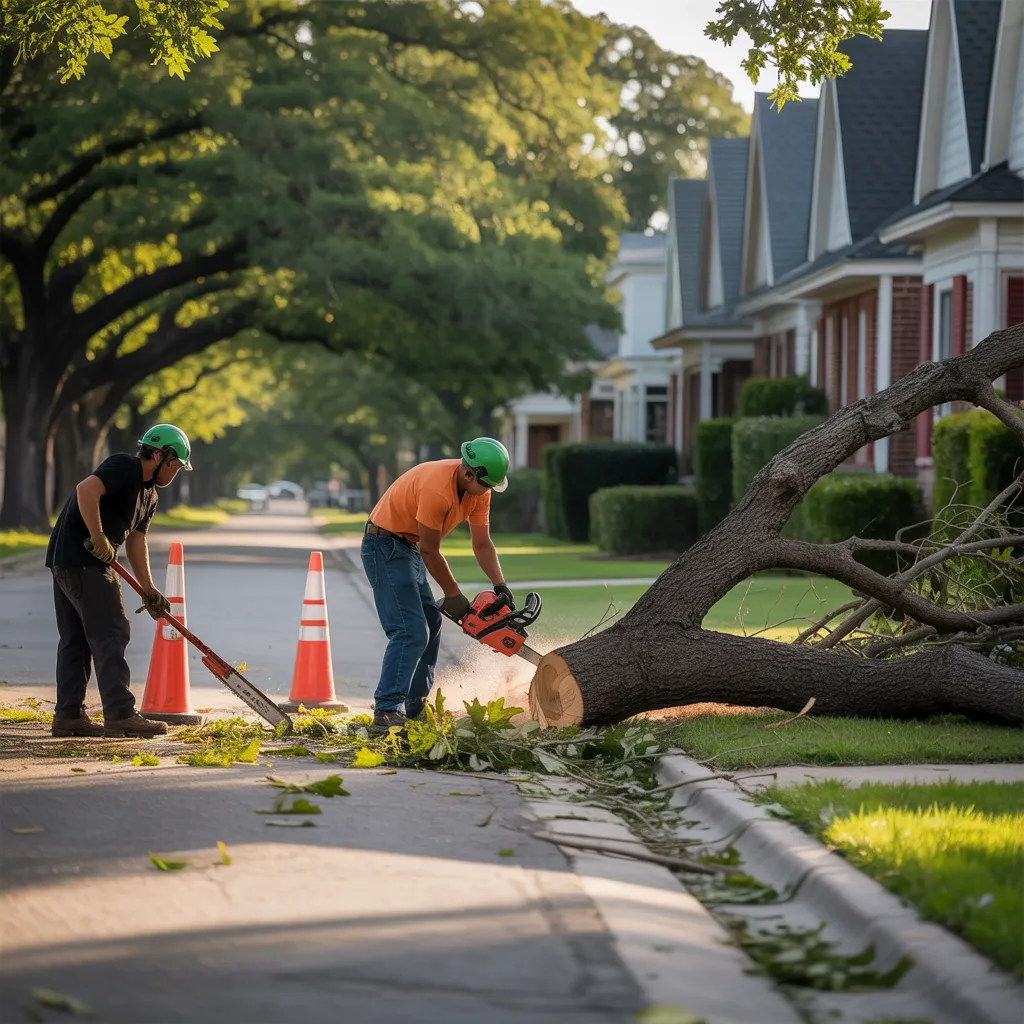
The Essential Role of Arborists in Tree Care
Arborists serve a vital role in the health and maintenance of trees, ensuring their vigor and longevity. These skilled experts carry a thorough understanding of arboricultural biology and ecology, permitting them to appraise the state of trees with accuracy. They detect diseases, infestations, and environmental pressures that can compromise tree health. Arborists additionally offer valuable services such as planting, diagnosing problems, and recommending treatments adapted to individual species and environments.
Moreover, they advise property owners about effective tree management techniques and the importance of sustaining thriving trees in the yard and property. Arborists regularly partner with city officials and local agencies to champion metropolitan forestry projects, boosting ecological diversity and purifying the air. Their knowledge not only adds to the visual appeal of domestic and commercial landscapes but also holds a critical place in ecological preservation. In summary, arborists are essential protectors of trees, promoting a sustainable relationship between nature and urban development.
Strategies for Efficient Tree Pruning
Effective tree pruning involves familiarizing yourself with different techniques and determining the optimal timing for each approach. Different pruning methods serve distinct purposes, from enhancing growth to maintaining tree health. Timing plays a vital role, as the appropriate season can significantly influence how a tree responds to pruning.
Types Of Pruning Methods
Trimming trees necessitates a careful methodology to promote strong growth and attractive appearance. Several pruning techniques fulfill different objectives, each tailored to specific situations. Thinning consists of carefully eliminating branches to improve light exposure and airflow, supporting general tree vitality. Crown reduction, by contrast, diminishes the height and breadth of a tree while preserving its organic form, commonly applied to lessen dangers from powerful gusts. Deadheading centers on cutting away withered flowers or deceased branches, fostering new development and lengthening bloom cycles. Ultimately, rejuvenation pruning is carried out on overgrown shrubs, stimulating new development by trimming away aged wood. Comprehending these techniques enables arborists to skillfully oversee tree wellness and ensure an aesthetically pleasing environment.
Best Timing For Pruning
What is the optimal time to prune trees for maximum health and growth? Experts in tree care advise pruning during late winter or early spring, just before the new growth begins. This schedule helps minimize tree stress and lowers the risk of disease. This approach promotes improved healing as the tree begins its active growth period. Particular species may additionally benefit from summer pruning to regulate growth or clear away dead wood. Nevertheless, pruning in fall is typically not recommended, as it may leave trees vulnerable to winter damage. Understanding the specific needs of each tree species is essential for peak results. By adhering to these guidelines, arborists guarantee trees remain healthy and vibrant throughout their lifecycle.
How Arborists Manage Tree Diseases and Pests
Arborists diligently monitor and manage tree diseases and pests to preserve the vitality and long-term health of both urban and rural trees. Their process starts with performing comprehensive assessments to detect initial indicators of infestations and infections. Applying their professional expertise, arborists determine the nature and scope of the concern, which is essential in establishing the best available treatment solutions.
Incorporating comprehensive IPM methods, they merge biological, cultural, and chemical controls to minimize the environmental impact. This all-encompassing strategy might incorporate introducing beneficial insects, utilizing organic treatments, or utilizing specific pesticides when required.
In addition, certified arborists advise property owners on protective practices, such as correct watering and trimming methods, to improve tree resilience. Routine upkeep and observation make certain that any arising concerns are resolved quickly, consistently protecting the ornamental and ecological significance of these trees in both urban and rural settings.
Key Signs You Require Emergency Tree Removal?
The health of a tree can decline quickly, resulting in circumstances that require prompt intervention. Warning signs that point to the need for emergency tree removal consist of visible professional tips cracks or splits in the trunk, which undermine the tree's structural stability. Moreover, major limbs or the entire tree positioned at an irregular angle can signal instability, particularly following harsh weather conditions. Dead or decaying branches, often accompanied by fungal growth, suggest the tree is beyond recovery.
Another critical sign is the occurrence of significant root deterioration, which can further compromise the tree's stability. If a tree is situated close to structures or power lines, such warning signs can pose immediate risks to safety. Tree specialists advise prompt assessment and action when these warning signs appear, as neglecting them can create perilous circumstances for both property and individuals nearby. Periodic assessments can help in identifying these problems before they turn into dangerous emergencies.
Professional Advice for Planting New Trees
When planting new trees choosing the right species is crucial to ensure sustained health and vitality. Furthermore, suitable soil conditions serve a critical function in a tree's overall growth. Understanding these factors can significantly improve the success of any planting endeavor.
Finding The Ideal Species
Selecting the most suitable species of tree is important for achieving a flourishing landscape, as distinct types offer varied opportunities and considerations. Aspects such as climate, soil type, and available space play a vital role in this decision. To illustrate, locally adapted species often require less maintenance and are better adapted to regional environments, encouraging ecological balance. Furthermore, considerations like disease resistance, growth rate, and mature size can impact the selection. Property owners should also think about the seasonal interest and aesthetic appeal of the trees, making sure they enhance the surrounding environment. Working with a certified arborist can offer expert guidance, helping to select species that suit both environmental conditions and personal preferences, effectively creating a thriving and eco-friendly landscape.
Maintaining Ideal Soil Conditions
Conditioning the soil is essential for the effective growth of new trees. Tree care specialists emphasize the importance of evaluating soil quality before planting. This requires testing pH levels and ensuring proper drainage to develop an ideal environment for root growth. Enriching the soil with organic matter can enhance nutrient availability and strengthen structure. Additionally, the soil should be adequately porous to allow roots to spread freely, yet stable enough to offer support.
Arborists recommend creating a hole no less than double the diameter of the root ball to promote lateral root expansion. Spreading mulch at the base of the tree assists in locking in moisture and stabilizing temperature, further supporting healthy growth. Proper soil conditions lay the groundwork for thriving trees and vibrant landscapes.
The Importance of Regular Tree Maintenance and Inspections
Regular tree maintenance and inspections are essential for guaranteeing the vitality and protection of trees and adjacent properties. Certified arborists play an important role in recognizing potential concerns, including disease, pest invasions, and structural vulnerabilities. Regular assessments allow for timely interventions, that can minimize significant damage and extend the life expectancy of trees.
Additionally, regular upkeep, including trimming and nutrient treatment, encourages vigorous growth and improves the visual appeal of outdoor spaces. Surveys help pinpoint trees that may endanger neighboring properties or residents, facilitating forward-thinking actions to minimize risks.
Additionally, caring for trees offers environmental advantages, such as better air quality and natural wildlife habitats. By investing in regular maintenance and inspections, property owners can safeguard their investments and foster a thriving ecosystem. At the core of it all, the expertise of arborists guarantees that trees grow and prosper rather than simply endure, enriching the overall beauty and protection of the landscape.
Common Questions and Answers
Which Certifications Are Important to Look for in an Arborist?
When looking for an arborist, one should look for qualifications such as state-specific licenses, ISA (International Society of Arboriculture), and TCIA (Tree Care Industry Association) certifications, guaranteeing their competence in tree care and management.
How Regularly Should I Arrange Tree Inspections?
Tree inspections should be scheduled annually, or twice a year for high-risk species or locations. Consistent assessments help uncover potential concerns early, making certain trees remain healthy and secure while supporting overall landscape strength and aesthetic quality.
Can Arborists Assist in Landscaping Design?
Certainly, arborists can help with landscaping design by examining tree health, suggesting compatible tree varieties, and confirming correct positioning. Their professional knowledge improves aesthetic appeal while encouraging ecosystem stability, culminating in a eco-friendly and attractive garden space.
What Is the Best Time for Tree Planting?
The ideal period for tree planting falls within early spring or fall. Such seasons deliver favorable soil temperatures and moisture levels, supporting robust root establishment and securing enhanced growth throughout the upcoming warmer months.
In What Ways Do Weather Conditions Influence Tree Care Services?
Weather conditions greatly influence tree care services. Precipitation, extreme temperatures, and strong winds have the potential to influence planning, pest control, and soil stability, requiring modifications in methods and scheduling to maintain superior tree wellness and progress.
Comments on “Finding Most Trusted Arborist in Cleburne”